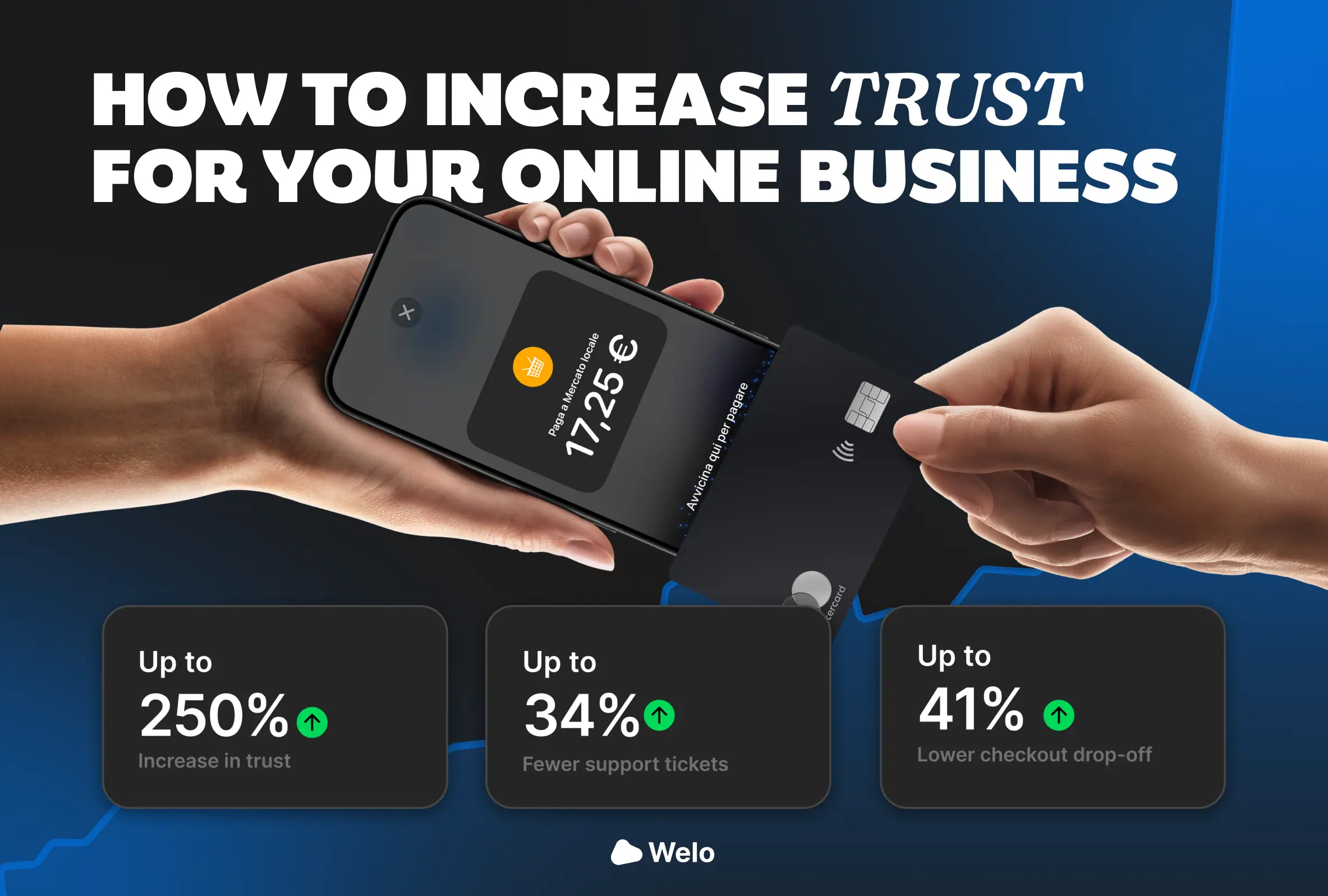
In 2026, trust isn't just a conversion topic anymore, it's become a direct visibility factor in search engines and AI-generated answers. Google has stated explicitly that AI Overviews aren't a separate optimization layer, they rely on the same core ranking systems that power traditional search, and those systems increasingly reward trustworthiness signals.
Google's E-E-A-T framework (Experience, Expertise, Authoritativeness, Trustworthiness) isn't a single direct ranking factor, it describes the signals Google's algorithms are trained to reward. According to a 2026 analysis of AI Overview citation factors, most citations now come from verifiably authoritative sources, and site-level trust signals are one of six key factors that determine whether content gets cited, alongside topical authority, E-E-A-T, comprehensiveness, structured formatting, and site-level authority.
For an online store, trust signals aren't abstract, they're concrete things a system can verify. A business with a checkable legal identity, specific and consistent policies, and a public independent verification record gives Google and AI systems something concrete to reward, far more than a decorative badge or an unsupported claim about itself. It's the same principle behind how AI shopping agents evaluate a store's trustworthiness before recommending or buying from it.
For a certification that covers identity, security, and policies in a checkable way, see ecommerce trust certification as well.
Welo Badge documents legal identity, security, and policy transparency against the Welo Trust Standard, and publishes all of it on an independent Welo Page, exactly the kind of structured, checkable proof both human readers and AI search systems can verify. If you want to strengthen your store's trust signals, you can apply for Welo Badge.


Rise above the usual.