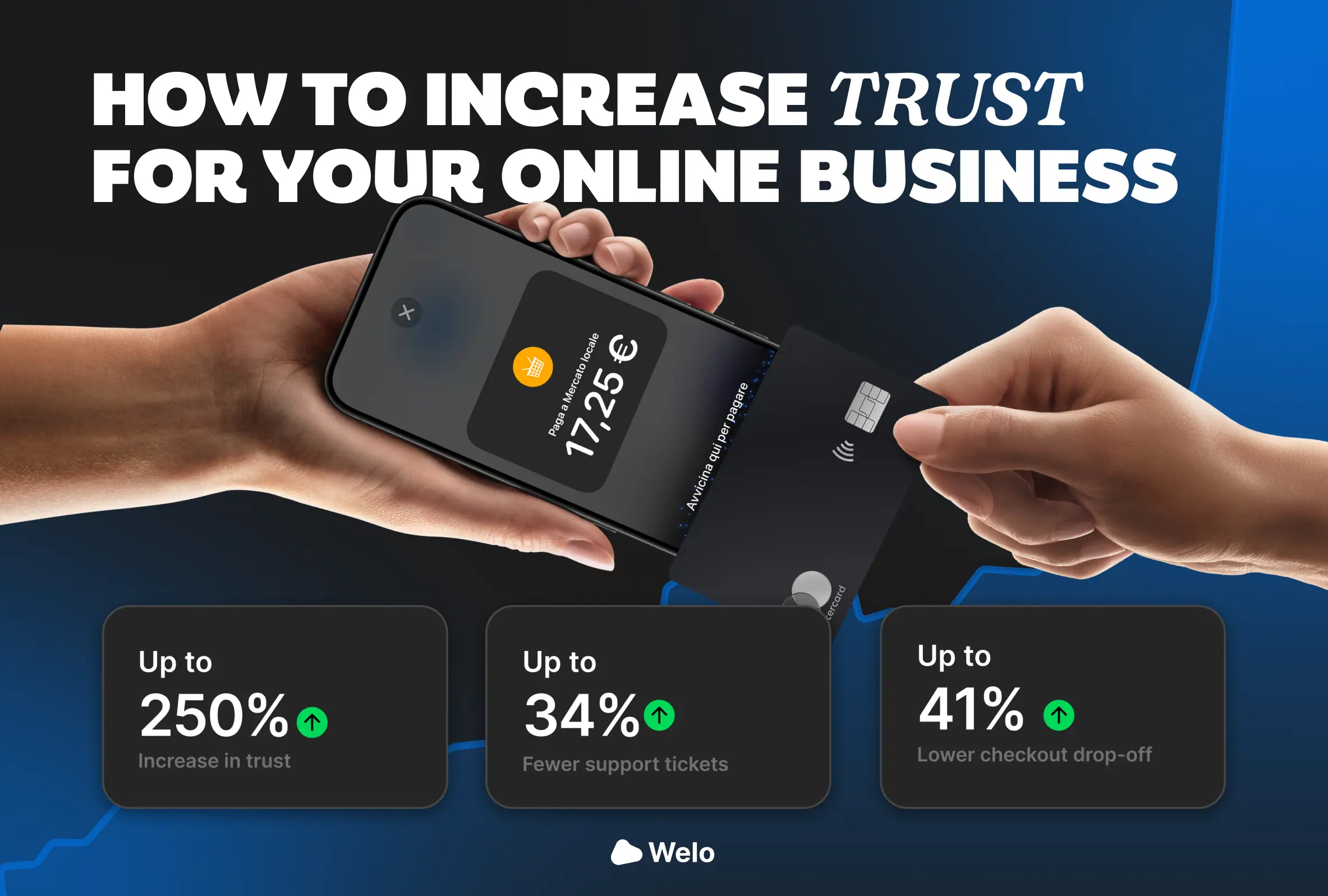
Imagine a new visitor landing on your site for the first time, they’ve found a product they love, credit card in hand, yet they hover uncertainly, finger poised above the Buy button.
What's stopping them? in a word, trust.
This article breaks down why trust matters for ecommerce, SaaS and online business, what happens in the customer’s mind when they hesitate, and how to build credibility with design, policies, support, reviews, and modern trust signals like video testimonials and trust badge.
By the end you’ll see how a trust system can reduce checkout drop off, boost conversions, and strengthen long term customer loyalty.
If you want to speed up trust building without redesigning your whole site, a simple verification layer like Welo Badge can help visitors feel confident faster, especially right before checkout.
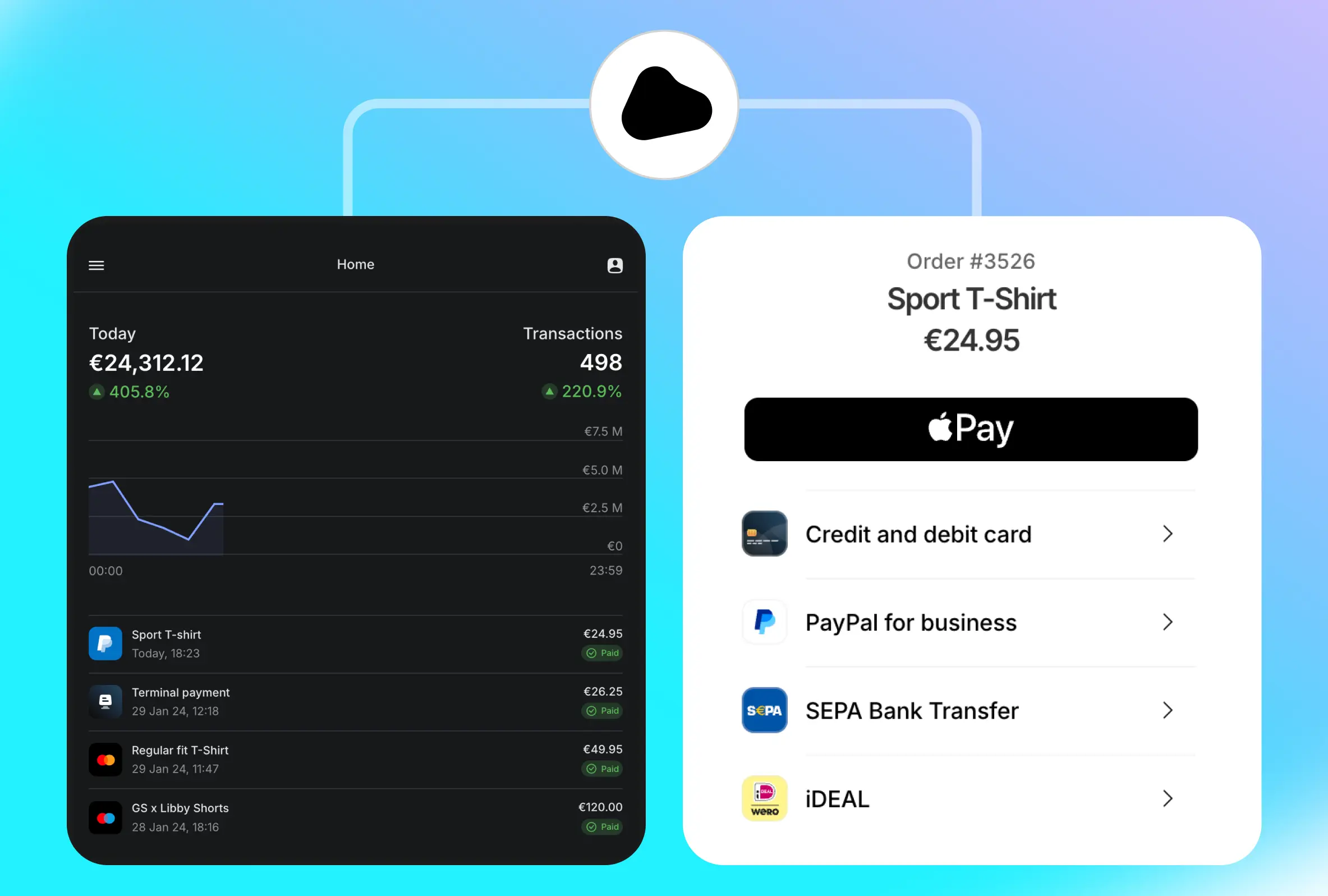
You can have the best product, strong pricing, and great marketing, but if a buyer doesn’t trust your site, they won’t complete the purchase, trust underpins every click on the path to checkout, and it often decides the outcome before your offer even has time to speak.
When customers trust you, they not only buy, they return, they renew, they upgrade, and they recommend, without it, you constantly lose a chunk of potential revenue, studies commonly report that a meaningful share of shoppers abandon carts specifically because they don’t trust the site with payment information.
Recovering even part of that lost demand is a direct uplift to conversion rate, with no extra ad spend.
Outside checkout, distrust also creates higher bounce rates and lower engagement, many visitors decide within seconds if a site feels credible, their risk radar scans design, copy, security cues, and consistency, and if anything feels off, a strange URL, missing secure indicators, low quality visuals, unclear pricing, they leave.
Small improvements can have outsized impact, case studies have shown conversion lifts after adding prominent trust signals like security seals and payment logos, and larger gains are often reported when multiple trust optimizations are combined into a consistent system.
The takeaway is simple, trust isn’t optional, it’s a strategic growth lever.

Customers aren’t irrational, they’re risk managers, in a physical store people can see the product, ask questions, and feel more control, online everything is virtual, which triggers a natural skepticism, shoppers subconsciously ask, will I get what I paid for, will my data be safe, what if I regret this purchase.
The goal is not to add random badges or extra text, the goal is to place the right signals at the exact moments customers are most likely to hesitate, especially on product pages, pricing pages, cart, and checkout.
First impressions matter, a polished, modern interface with no bugs communicates credibility instantly, when your site feels smooth, people assume your operations are smooth too.
Prioritize fast loading, high quality visuals, clear hierarchy, and predictable navigation, and keep branding consistent across every page, because inconsistency is a silent red flag.
Online shoppers worry about fraud and privacy, make sure your site is secure show HTTPS, avoid anything that could trigger browser warnings, and present payment methods clearly.
Use micro reassurance near the payment step, short, factual, and calm, such as secure checkout, encrypted payment, or we do not store card details, because that’s where anxiety peaks.
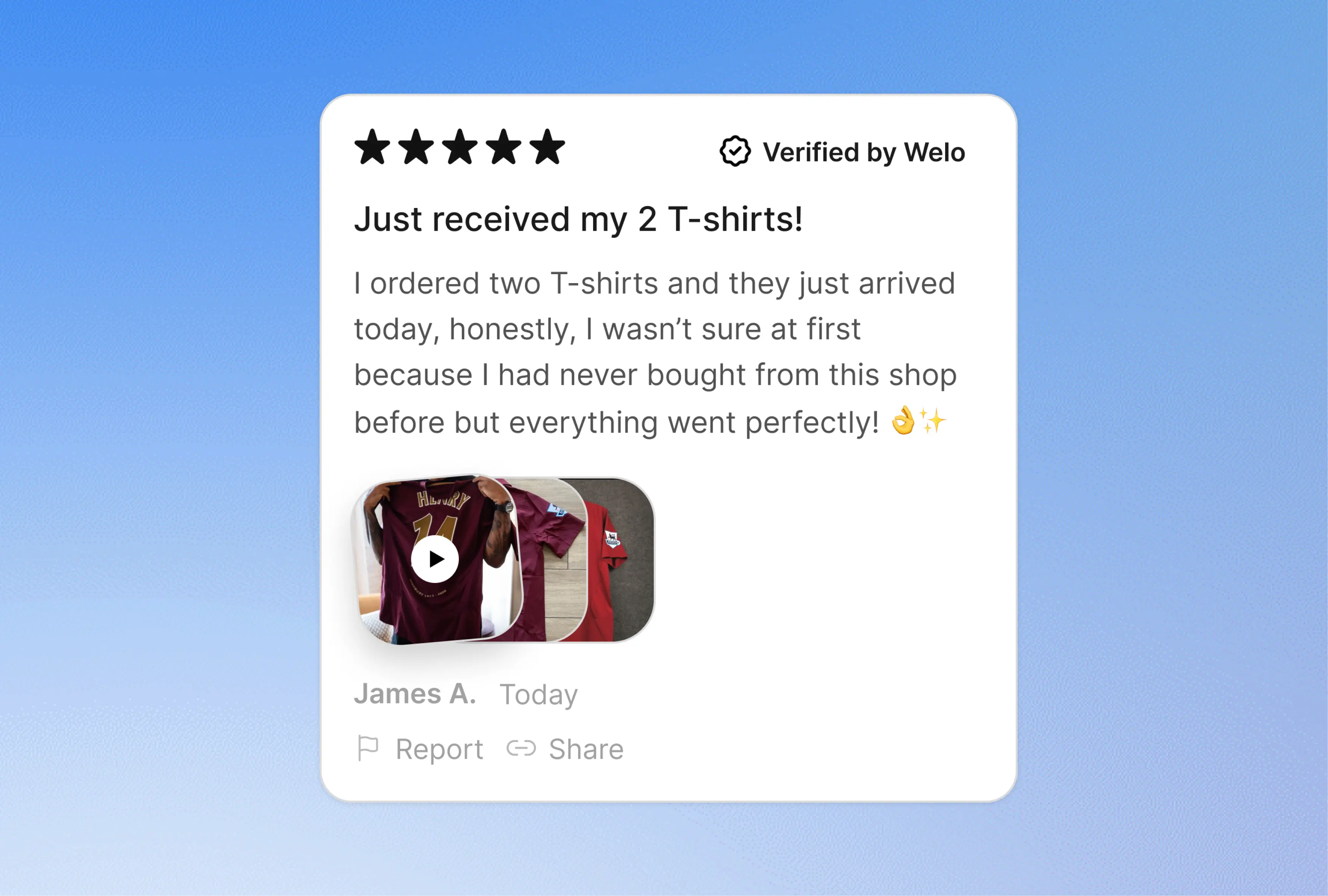
Humans trust humans and reviews reduce uncertainty because they show that real buyers had real outcomes, display ratings and review counts where decisions are made, near product titles, pricing tables, and CTAs.
Use testimonials that feel specific, not generic praise, include context, outcomes, and use cases.
A mix of strong positive feedback and a few moderate reviews can increase credibility, because perfection can look staged.
The key is transparency, show that you don’t filter reality, and demonstrate how you respond when something goes wrong.
How you deliver matters, modern consumers are trained to distrust polished marketing, but they still believe authentic proof, especially when it feels hard to fake.
Videos adds what text can’t, tone, emotion, context, and realism, a short customer clip filmed on a phone can outperform the best written testimonial because it reduces the feeling that everything is staged.
For ecommerce, unboxing videos and real life use shots reduce the imagination gap that causes doubt.
For SaaS, a quick screen recording plus a customer quote can turn skepticism into confidence.
The best approach is to make video proof frictionless, lightweight clips, real customers, short outcomes, and place them where decisions happen, on landing pages, product pages, and near checkout reassurance.
I Trust Badge work when they are relevant, minimal, and placed contextually.
A badge should address a specific concern, payment security, verified reviews, fast support, easy returns, and it should appear exactly where that concern arises.
Avoid clutter, too many badges can feel gimmicky and reduce credibility.
A few strong signals, placed with restraint, are more persuasive than a wall of icons.
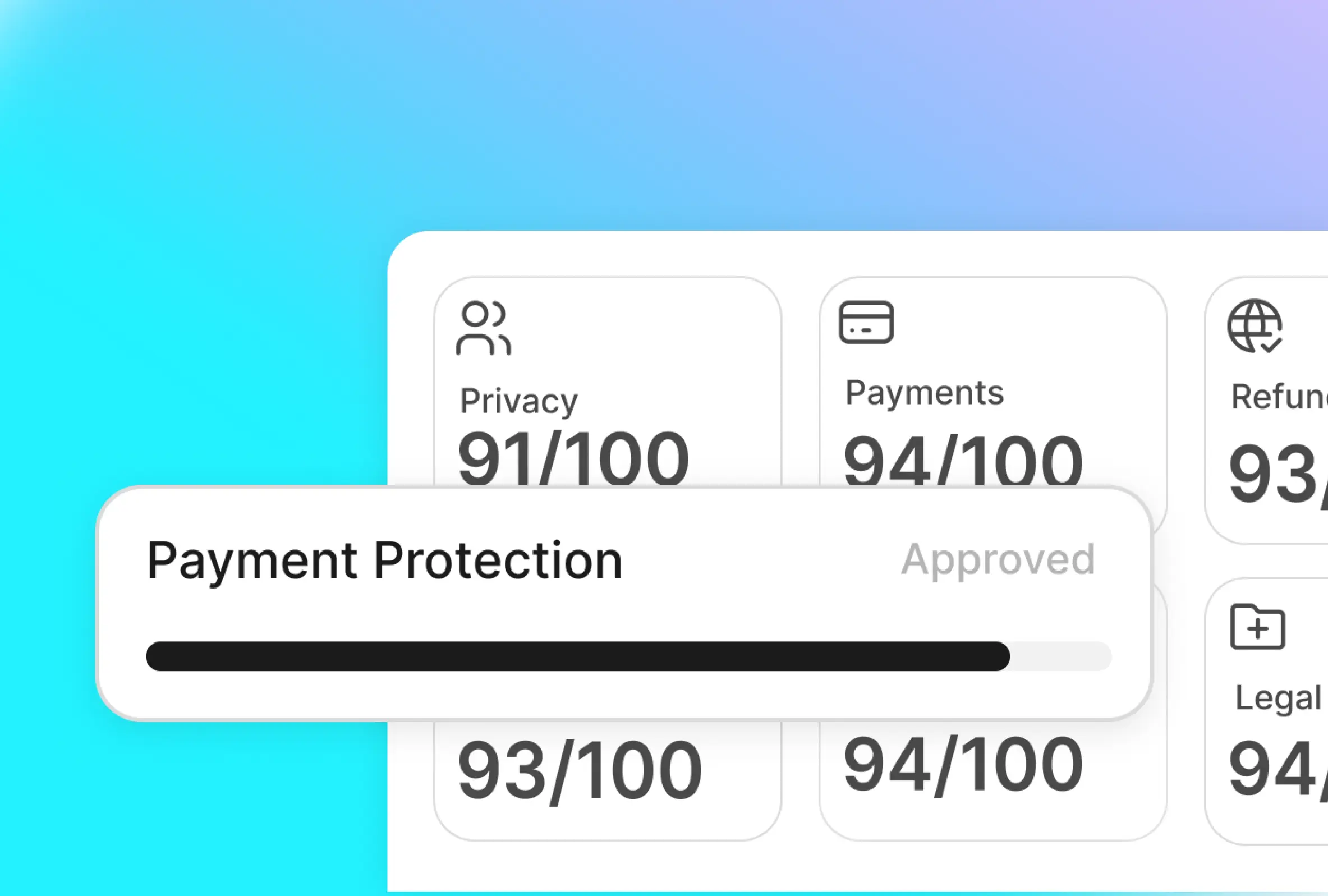
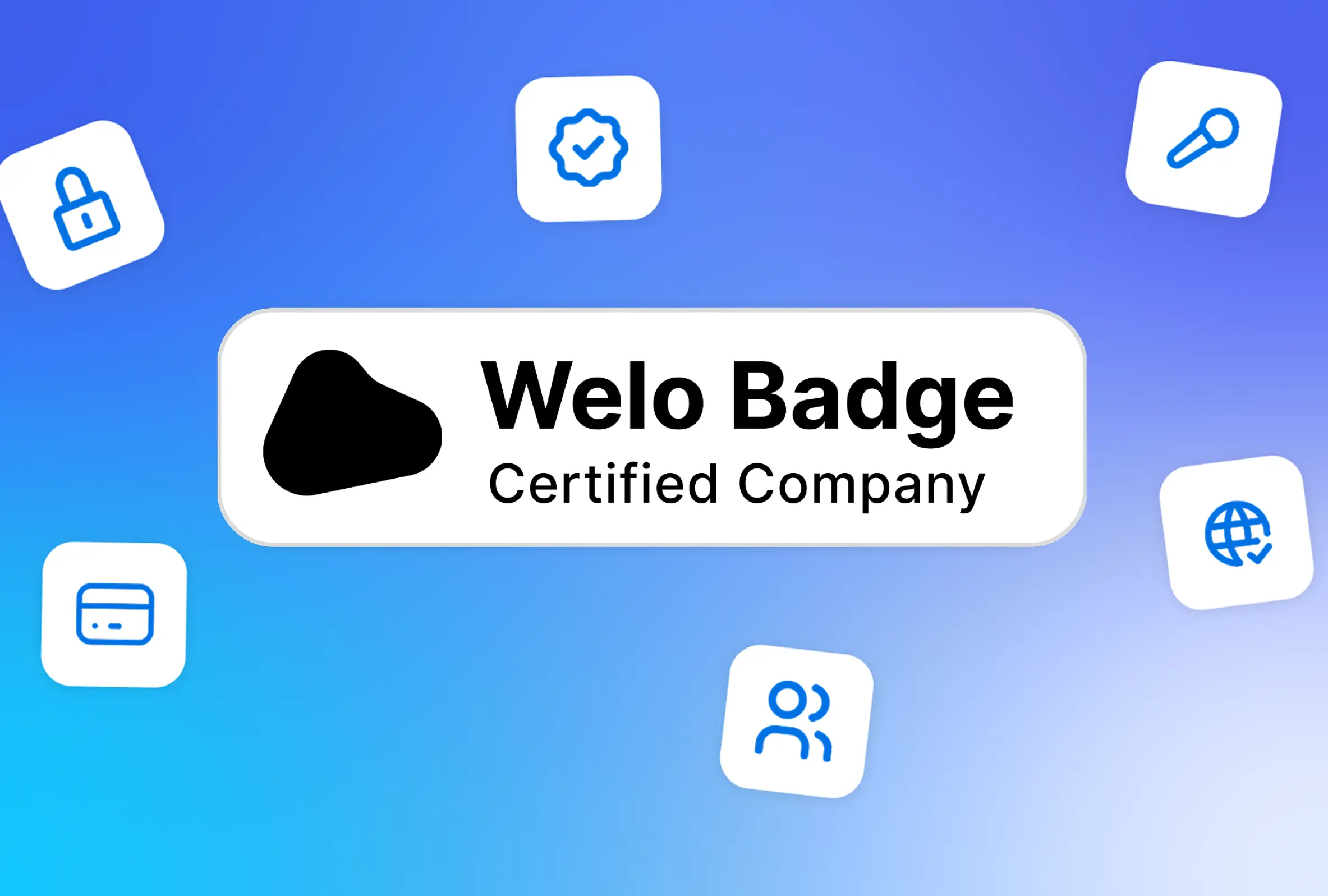
As you strengthen your trust signals, certification like Welo Badge can add a clear and verified level of credibility that helps visitors feel safe faster.
IInstead of relying only on claims, you can provide proof, through a Badge on your site that connects to a dedicated page where customers can understand what’s verified and why it matters.
This is especially useful for new brands, where people need a shortcut to confidence, and for key moments like product pages and checkout, where reducing uncertainty directly impacts drop off.
If you want to improve trust without redesigning your entire site, Welo Badge can support that goal by helping you present credibility in a simple, transparent way, improving customer confidence, reducing hesitation, and supporting better conversion outcomes over time.
Do you want to build trust that converts?
Explore Welo Badge and learn how a verified level of trust can help reduce checkout abandonment and increase security throughout the customer journey.


Rise above the usual.