Reputation is one of the fastest ways to gauge whether a business is worth trusting, but only if it's checked in the right places and read with some skepticism. A five-star rating on the business's own homepage tells you very little; the same rating on an independent platform where the business doesn't control what gets published tells you considerably more. This guide covers where to look and how to interpret what's found.
Reputation, in the context of checking a business before buying, means the accumulated record of how it has treated past customers: whether orders arrived as described, whether problems were resolved fairly, and whether the business is generally regarded as reliable by people with no reason to lie about it. It's distinct from legal legitimacy or security, which is why a business can have solid reviews and still fail other checks, or vice versa.
Platforms like Trustpilot, Google Reviews, or category-specific review sites carry more weight than reviews shown only on the business's own site, since the business doesn't control what gets published or removed there. Checking a business's profile directly on the platform, rather than trusting a curated widget embedded on the business's site, avoids seeing only the reviews the business chose to display.
An active account with genuine customer interaction, replies to complaints, and a following that predates any current promotion is a stronger signal than a page created recently with purchased-looking followers and no real engagement. Comments on posts, not just follower counts, tend to be more informative, since follower numbers can be inflated relatively easily.
A quick search for the business's name alongside terms like "complaint," "scam," or "lawsuit" often surfaces patterns that wouldn't show up in curated reviews. Consumer protection sites and forums where people report unresolved disputes can reveal problems a business has no incentive to disclose itself.
A handful of reviews from years ago says little about how a business operates today. A steady, ongoing volume of recent feedback, even if it includes some negative reviews, is generally more trustworthy than either no reviews at all or an unnaturally large batch posted within a short window.
A business that responds to negative reviews professionally and tries to resolve the underlying issue signals accountability. One that only responds to positive reviews, deletes criticism where it can, or responds defensively to every complaint is a weaker signal, even if the overall star rating looks fine.
Reputation reflects what past customers experienced, which says nothing about whether the business is legally registered, whether its payment processing is secure, or whether its policies are compliant with relevant regulations. A business can have a strong reputation built on customer service while still operating with security gaps or legal issues that wouldn't show up in a review, simply because reviewers don't check for those things.
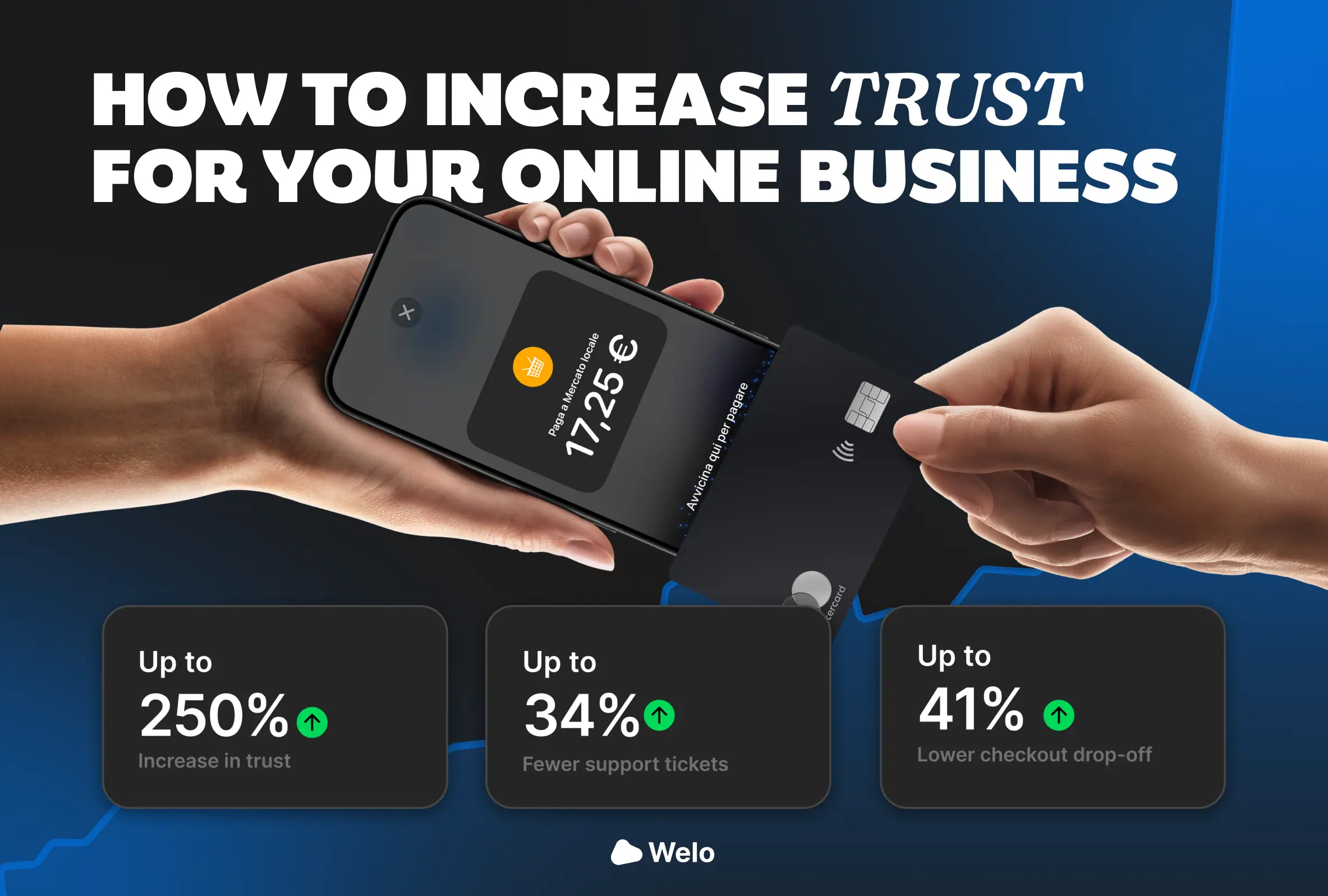
Reputation checks and independent verification cover different ground, which is why they work best together rather than as substitutes. Reputation shows what customers experienced; independent verification confirms baseline legitimacy, security, and legal standing that a review typically doesn't touch. Welo Badge covers this second layer specifically, giving a buyer a documented check of the business itself to sit alongside whatever reputation research they've already done.


Rise above the usual.